If you’ve ever stood in a room where you can tweak the light to feel cozy enough for a dinner party, bright enough to get work done, or dimmed just right for a movie night, you’ve experienced the small-but-mighty impact of a dimmable LED driver. As someone who’s spent years designing and supplying dimmable LED drivers, I’ve seen first-hand how these unassuming components turn basic LED bulbs from one-note light sources into dynamic, energy-efficient systems that fit almost every space. A lot of people ask me: how exactly do dimmable LED drivers improve lighting control? The answer isn’t just about “making lights dim”—it’s about solving long-held pain points from older lighting tech, while adding flexibility that fits modern homes, offices, and even industrial spaces. Let’s break this down, no confusing jargon required. Dimmable LED Drivers
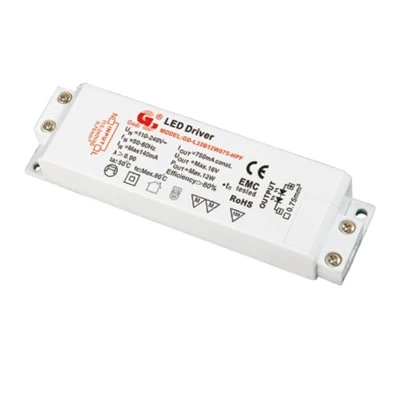
First, let’s get clear on what a dimmable LED driver actually is, because that’s the base of everything. Most people know LEDs as the bulbs that replaced incandescents and fluorescents, thanks to lower energy use and longer lifespans. But what they don’t always realize is that LEDs don’t run on the standard AC (alternating current) power that comes out of your wall outlet. They need DC (direct current) power, and at a very specific, steady voltage. That’s where a driver comes in: it’s the middleman that converts AC power to the DC that LEDs need, and regulates that power to keep bulbs from flickering, overheating, or burning out early. A dimmable LED driver is just that same core component, with extra built-in tech that lets you adjust the amount of power it sends to the LED, which in turn changes how bright the light is.
Compare that to older dimming tech, and you’ll see why this is such a game-changer. Back in the day, if you wanted to dim incandescents, you could use a simple rotary dimmer that cut parts of the AC current before it reached the bulb. That worked because incandescents are heat-based—they’d just get dimmer when less power came through. But when people tried to use those same old incandescent dimmers on early LEDs, it was a disaster. The bulbs would flicker, buzz, or even shut off entirely, because their power needs are so different. Fluorescents were a little better, but they had their own issues: dimming them often required specialized, bulky ballasts, and they’d take a few seconds to warm up, which was frustrating in spaces like bathrooms or offices. Dimmable LED drivers solved that compatibility mess entirely. They’re engineered to work with modern dimmer switches—whether they’re the standard leading-edge dimmers common in older homes or the trailing-edge models that work best for LEDs—and adjust the DC power smoothly, no flicker, no buzz.
That compatibility is just the start. The biggest way dimmable LED drivers improve lighting control is their precision. You don’t have to jump from 100% brightness to 50% brightness in one hard step—most good dimmable drivers let you adjust brightness in tiny increments, down to 1% or even less. That’s a huge deal for spaces where lighting is part of the atmosphere, like a boutique hotel lobby where you want soft light for the breakfast crowd, a slightly brighter tone for check-in, and a warm dim for evening events. For home offices, that precision means you can set the light to bright, cool tones for focused work, then dim it to warm, gentle light for reading after work without any jarring shifts. I remember a client who owns a small café—they installed our dimmable drivers and told me their sales of pastries went up 15% in the evening, because the warm, dim light made the display cases look more inviting, while the brighter midday light let customers read menus clearly. That’s the kind of real, tangible impact you get from precise control.
Another key benefit is energy efficiency, which ties directly to lighting control. A lot of people don’t realize that dimming an LED doesn’t just make the light softer—it makes it use less power. Incandescents got inefficient as they dimmed (you were wasting more energy as heat), but LEDs are different. When a dimmable LED driver cuts the power to the bulb, it’s only sending exactly what the LED needs to stay bright at that level. So if you dim a light to 50% brightness, you’re not cutting 50% of the power—you’re cutting more like 70% or 75% of the energy use. That adds up fast for commercial spaces, too: an office with 500 lights, all dimmed by 30% after 6PM, will save thousands of dollars on electricity each year, compared to a system with non-dimmable drivers. And since our dimmable drivers are designed to work with occupancy sensors and daylight harvesting systems (tech that adjusts light based on how much natural light is in a room), you can automate all of that too—no one has to remember to dim lights when a room is empty. It’s lighting control that works for you, not the other way around.
Wait, but what about flicker? That’s a big complaint I hear from people who’ve tried cheap dimmable LEDs in the past. A lot of low-quality drivers cut power in quick pulses to dim LEDs, and those pulses are too fast for the human eye to see, but they can cause eye strain, headaches, or even disrupt sleep for sensitive people. Our dimmable LED drivers are built with anti-flicker technology that eliminates that entirely. We test every driver we make to make sure the power output is steady, even at the lowest brightness settings—no more flickering when you turn the light down to a soft glow for a nursery or a bedroom. That’s a non-negotiable for us, because bad flicker isn’t just an annoyance—it’s a health issue for a lot of people, especially kids who are still developing their vision.
Flexibility is another way dimmable LED drivers change the game, because they work for almost any space, not just homes. For retail stores, you can set up scenes: “Store Opening” with bright, neutral light to showcase products, “Afternoon Shopping” with slightly warmer, softer light to keep customers comfortable, and “Evening Close” with dim, warm light to guide people out while still keeping the space safe. For healthcare facilities, like patient rooms, dimmable drivers can adjust light to match circadian rhythms—bright blue-toned light during the day to help patients stay alert, and warm dim light at night to promote better sleep. Even industrial spaces, like warehouses, use dimmable drivers paired with motion sensors to cut power completely when no one is in a section of the building, cutting energy waste by 40% or more. I recently worked with a logistics company that retrofitted their old fluorescent lights with our dimmable drivers—they saved over $120,000 a year on electricity, and the bulbs lasted twice as long as the old ones, because they weren’t running at full power 24/7.
One thing a lot of people don’t talk about is longevity. LEDs already last way longer than incandescents—up to 25,000 hours, compared to 1,000 hours for an incandescent. But dimmable LED drivers can make that even longer, because when you dim an LED, you’re putting less stress on the bulb. Running an LED at full power all the time shortens its lifespan, just like running a car at full speed non-stop wears out the engine. When a dimmable driver lets you run the LED at a lower power level, you’re reducing heat buildup inside the bulb, which is the number one cause of LED burnout. We’ve had customers tell us that their LED bulbs with our dimmable drivers are lasting 10 years or more, compared to 5 years for bulbs paired with non-dimmable drivers. That’s less maintenance, fewer replacement costs, and less waste from old bulbs—something that’s great for both homes and commercial budgets.
Of course, there are myths out there about dimmable LED drivers, and I get asked about them all the time. One common one is that you have to buy all new lights to use them. No—you can retrofit your existing LED bulbs to work with dimmable drivers, as long as the drivers are compatible with the bulbs. A lot of people think dimmable drivers only work with special dimmable LEDs, but that’s mostly true for very old drivers—modern models are built to work with most standard LED bulbs, as long as you check the compatibility. Another myth is that dimmable drivers are too expensive for small projects. When you factor in the energy savings and longer bulb lifespan, they often end up being cheaper in the long run, even for a single bedroom or small office space. A $20 dimmable driver vs. a $15 non-dimmable one pays for itself in about a year with the electricity savings, and then you start saving money after that.
I’ll be honest—when I started working in this industry 12 years ago, dimmable LED drivers were a niche product, mostly used by big commercial contractors. Now, they’re in homes, cafes, hotels, warehouses, even outdoor lighting—all because people realize that good lighting control isn’t a luxury. It’s a way to make spaces more comfortable, more functional, and more affordable to run. At the end of the day, lighting is about how it makes you feel. A bright light when you’re cooking, a soft light when you’re watching TV, a light that doesn’t give you a headache when you’re working late—all of that is controlled by the driver hidden inside the bulb fixture.

If you’re thinking about upgrading your lighting, whether it’s for a single room or an entire commercial building, don’t overlook the importance of the dimmable LED driver. It’s not just a part—it’s the core of your lighting system, and it can make the difference between flickering, high-maintenance lights and a flexible, energy-efficient setup that works for years. If you’re ready to talk about your project, whether you’re a homeowner looking to upgrade your bedroom lights or a commercial contractor working on a 10,000 square foot office build, I’m here to help. We can walk you through compatibility, scene setup, energy savings calculations, whatever you need. Don’t settle for one-note lighting—reach out to discuss your dimmable LED driver needs today.
TRIAC Dimmable LED Driver References:
- U.S. Department of Energy. (2022). LED Lighting Facts: Dimmable LED Systems and Energy Efficiency.
- Illuminating Engineering Society (IES). (2021). Recommended Practice for Lighting Control Systems in Commercial and Residential Applications.
- National Electrical Manufacturers Association (NEMA). (2020). Standard for Dimmable LED Drivers: Performance and Compatibility Requirements.
- Energy Star. (2023). Dimmable LED Product Testing Protocol: Flicker, Brightness Control, and Lifespan Metrics.
Foshan Gedi Electrnoic Co., Ltd.
As one of the most professional dimmable LED drivers manufacturers in China, we’re featured by quality products and good price. Please rest assured to buy advanced dimmable LED drivers for sale here from our factory. If you have any enquiry about cooperation, please feel free to email us.
Address: 4th Floor, Building 8, South District, Huayi Decoration City, No.10, Laixiang Road, Shiwan Sub-district, Chancheng District, Foshan City, Guangdong Province, China.
E-mail: market@gedi-lighting.com
WebSite: https://www.gedi-lighting.com/
