Alright, let’s cut to the chase—if you’re scrolling through Reddit, TikTok, or a random home care forum at 10 PM after spilling takeout soy sauce on your leather couch and panicking, you’ve probably typed “can I use disinfectant wipes on leather?” 10 times. And since I’m part of a disinfectant wipes brand that’s been around long enough to field this exact question 100+ times a week from small café owners, office managers, and even people who accidentally sanitized their leather sneakers (yikes), I’m gonna break this down like I’m venting to a friend who’s also fighting a rogue germ outbreak on their nice couch. Disinfectant Wipes

First, let’s get one thing straight: I’m not a chemist, but I’ve stared at enough MSDS sheets (that’s Material Safety Data Sheets for you non-science types) to know that not all disinfectant wipes are created equal. Leather’s not like your quartz kitchen counter or a plastic cutting board—It’s a porous, organic material made from animal hides (don’t @ me, I checked) that’s been treated with tannins, oils, and sometimes synthetic coatings to make it durable. The last thing you want is to wipe a microbe off and end up with a dry, cracked, discolored mess that costs more to fix than your monthly grocery bill.
So, do disinfectant wipes work on leather? The short answer is: It depends. No, not all of them. But before I go listing which ones to skip, let’s talk about why someone would even wanna use disinfectant wipes on leather in the first place. Post-pandemic, everyone’s hyper-vigilant about germs—café booths, waiting room couches, office desk chairs, even those fancy leather grocery totes people carry (I see you) all get touched by strangers, coworkers, and you know who else (the guy who leaves wet wipes in the gym parking lot). Wiping down leather with a wipe is way easier than digging out a spray bottle, microfiber cloth, and conditioner every time a spill happens, right? Fair.
Now, let’s get to the bad stuff first, because that’s where most people mess up. The two big no-gos here are alcohol and bleach. If your wipe has more than 70% isopropyl alcohol (and a lot of them do—they use it because it kills germs fast), that stuff’s a leather killer. Alcohol strips away the natural oils that keep leather soft and flexible. I’ve seen a client’s $2,000 leather office chair go from smooth to looking like a prune in 3 days because they grabbed the first wipe from under their sink labeled “disinfecting” without checking the ingredients. Bleach is even worse—it’ll lighten leather permanently, like if you spilled hair dye on it but way harder to fix. I’m talking faded patches that make your couch look like it’s been to a 90s rave and back.
That’s not to say all disinfectant wipes are trash for leather. A lot of brands (including ours, obviously) make what we call “leather-safe” disinfectant wipes. The key here is that they use a different active ingredient than alcohol or bleach—usually something like quaternary ammonium compounds (quats, if you wanna be casual) or hydrogen peroxide at a lower concentration. These still kill 99.9% of the germs you’re worried about (think E. coli, staph, even the COVID virus variants that still hang around if you’re unlucky) without stripping the leather’s natural oils. They’re also pH-balanced, which is huge—leather hates harsh pH levels, trust me.
Wait, but hold on—even if you have a “leather-safe” wipe, there’s a right way and a wrong way to use it. Let me walk you through the step-by-step I give all our customers, because half the damage people do is from rushing. First, test it on an inconspicuous spot. Like, the back corner of your couch that no one sees, or the bottom of your leather bag that touches the floor when you set it down. Wipe it, let it dry, and check for discoloration or stiffness for 24 hours. If that works? Cool. If not, ditch those wipes—simple.
Second, don’t douse the leather. Wipes are pre-moistened, so squeeze out the excess before you wipe. If it’s dripping, you’re gonna get water spots, and if you’re using an alcohol-based wipe (even if you thought it was safe), that’s even more oil stripping. Wipe in gentle circular motions, not back and forth like you’re scrubbing a toilet. Scrubbing too hard can damage the leather’s top coating, especially on unfinished or vintage leather (another big no—vintage leather’s way more porous and sensitive, so even gentle wipes might be too much, stick to a leather-specific cleaner and conditioner).
Third, follow up with conditioner if you used a disinfectant wipe. Even the safest ones will pull a tiny bit of oil out, so once the spot’s completely dry, rub in a leather conditioner (we even sell a tiny travel-sized one that pairs with our wipes, for people who hate extra products) to keep it from drying out. Skipping this is like washing your hair with shampoo and never conditioning—your scalp (or leather) will be dry and flaky fast.
Now, let’s talk about scenarios because this is where it gets real. If you run a small café and your booths are leather, and a customer spills their iced coffee on the seat? Grab a leather-safe disinfectant wipe, squeeze out the excess, wipe the spot, blot it with a dry microfiber cloth, and condition when you close up. That works. If you’re an office manager and the leather conference room chairs get touched by 10 people a day, wiping them down twice a week with a leather-safe wipe is fine—just don’t do it daily, that’s overkill, and daily is when you start stripping oils. If you’re a guy who uses leather shoe wipes (wait, those exist) on your nice leather boots? Make sure they’re disinfectant wipes specifically formulated for footwear, not just any wipe, and again, condition after.
But wait, what if you use the wrong wipe? Let’s be honest, sometimes you’re in a pinch and can only find the alcohol-based ones. Here’s my hack: grab a microfiber cloth and dampen it with water first, then wipe with the alcohol wipe, then condition immediately. It’s not perfect, but it’s way better than using the wipe straight and walking away. I’ve also heard of people using rubbing alcohol mixed with water (1 part alcohol, 10 parts water) for a super dilute mix, but that’s only for small spots—don’t do that on a whole couch.
A quick real story: Last month, a guy emailed us panicking because he used a random store-brand disinfectant wipe on his $5,000 leather sofa after his kid had a stomach bug. He said the spot turned bright white and cracked. We told him to send a pic, and after looking at it, we could tell it was 91% isopropyl alcohol that stripped the dye out of the leather’s top coat. We didn’t sell leather repair stuff, but we did give him a list of trusted repair folks in his area, plus a coupon for our leather-safe disinfectant wipes so he could keep the rest of the couch clean without ruining it. That’s the kind of stuff we do—we don’t just sell wipes, we help people not mess up their nice things.
Another myth I need to bust: Disinfectant wipes on leather don’t “cure” stains. If you have a wine stain that’s been there for 3 days, a wipe isn’t gonna get it out. Wipes remove germs and light surface dirt, but deep stains? You need a leather-specific stain remover, probably from a professional. Don’t try to scrub a red wine stain with a wipe—that’ll just spread it and make it worse.
Now, let’s get to why our brand cares about this, beyond selling product. We started this company because my mom had a small shoe repair shop in Chicago back in the 2000s, and she’d fix leather couches and jackets that people ruined by using the wrong cleaners. When the pandemic hit in 2020, everyone was panicking about germs, and a lot of people were reaching for whatever disinfectant they had on hand to clean leather without realizing the damage. We spent 6 months testing wipes with leather chemists (no, we didn’t hire a fancy lab, just a small, local chemist who specialized in organic materials) to make sure our wipes killed all the bad germs, were pH-balanced for leather, and didn’t leave any residue. We even tested them on vintage leather that’s 50+ years old to make sure they didn’t fade or crack that either.
So, if you’re reading this and you’re wondering if you can safely disinfect your leather surfaces, here’s the takeaway: Skip any wipe with high alcohol or bleach. Look for wipes labeled “leather-safe” or “pH-balanced” that use quats or low-concentration hydrogen peroxide. Test a tiny spot first, don’t over-wet the leather, and condition after every few uses. And if you’re in the market for wipes that fit that bill? Yeah, we make those—we’ve got bulk packs for cafés, offices, and home use, plus travel-sized ones for your purse or gym bag.
Wait, I should also mention what leather to avoid wipes on entirely: unfinished leather, suede, nubuck, or any leather that’s got a matte, uncoated finish. Those are super porous, and even the safest wipe can leave a water mark or discolor that’s impossible to fix. For those, stick to a dry microfiber cloth or a leather-specific cleaner made for uncoated leather.
I get it, cleaning leather feels like a hassle, but it doesn’t have to be. You don’t have to spend hours conditioning your couch every week, and you don’t have to risk ruining it to keep it germ-free. The key is being picky about what wipes you use, and taking 2 extra minutes to test a spot before you go all in. If you’re still confused about whether a certain wipe works on your leather, just shoot us a message—we’ll tell you straight, no sales pitch required (okay, maybe a tiny one if it makes sense, but we’re not gonna lie to you about a wipe being safe when it’s not).
At the end of the day, leather is an investment. Whether it’s a couch, a jacket, a pair of boots, or your favorite tote, you want it to last. And germs? You wanna get rid of them, obviously. So don’t gamble with the wrong wipe. Do your research, test, condition, and if you need reliable, leather-safe disinfectant wipes for your home or business, reach out to us—we’ll hook you up with whatever size you need, and even throw in a few free conditioner wipes if you buy a bulk pack. No hidden fees, no weird fine print, just people who care about both your leather and your germ-free peace of mind.
Wait, one last thing to make sure you don’t miss: I’ve seen so many people use baby wipes on leather too. Those aren’t disinfectant wipes, so they don’t kill germs—they just get rid of dirt. So if you’re trying to disinfect leather, baby wipes won’t cut it. Stick to actual disinfectant wipes that are leather-safe. That’s another common mistake, and it’s an easy one to fix.
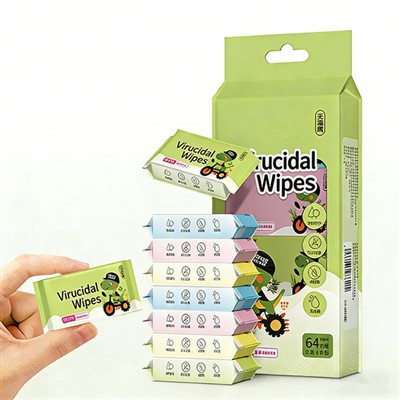
Okay, that’s all the rants I have for today. Go check your wipe cabinet, test a spot on that leather chair, and don’t forget the conditioner. And if you need anything, hit us up—we’re here to help, not to sell you something you don’t need.
Disinfectant Wipes References
- University of Minnesota Extension. (2022). Cleaning and Disinfecting Leather Goods.
- Leather Industries of America. (2021). pH Effects on Leather Cleaning Products.
- Centers for Disease Control and Prevention. (2023). Disinfectant Use on Porous and Non-Porous Surfaces.
- American Academy of Allergy, Asthma & Immunology. (2022). Germ Removal on Household Leather Surfaces.
Shanghai Joy Crown Industry Co., Ltd.
As one of the most professional disinfectant wipes manufacturers and suppliers in China, our company have world-leading production equipment and strong manufacturing capabilities. Please feel free to buy high quality disinfectant wipes made in China here from our factory. Contact us for OEM service.
Address: No.55-56 Lane 21 Pu San Road, Pudong New Area, 200125 Shanghai, P.R.China.
E-mail: sales@joybiowipes.com
WebSite: https://www.joybiowipes.com/
