Hey there, if you’re here because you’ve ever run your hands over a perfectly smooth, stretchy knitted tee, a buttery soft blanket, or even a sleek activewear legging and thought, “How the hell do they make fabric that doesn’t snag, pill, or pull apart after a few wears?” — you’re in the right spot. Let me pull back the curtain a little, since I’ve been on the front lines as a knitted fabric supplier for the better part of a decade. I’ve had my hands on thousands of rolls of fabric, fixed more than my fair share of botched batches, and talked to designers, small apparel brands, and even big-box buyers who’ve struggled with the “seamless” label. No fancy jargon, no AI fluff, just real, stuff that actually works if you want to nail seamless knit fabric. Knitted Fabric
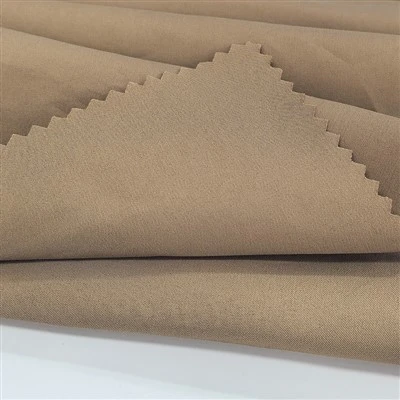
First, let’s get one thing straight: seamless knitted fabric isn’t just “fabric that doesn’t have side seams.” It’s more than that — it’s fabric that’s engineered to feel like a single, continuous piece, no weird seam bumps, no inconsistent stretch, no weak spots where seams usually split. I’ve seen so many suppliers cut corners here, and the result is that lumpy hoodie that loses shape after three washes. Let’s start with the absolute basics that most people skip: picking the right yarn. You can’t make seamless fabric if your yarn is trash, full of weak spots, or has inconsistent thickness.
Wait, hold on — I’m not talking about just “good yarn.” I’m talking about yarn that’s tailored for seamless construction. For example, if you’re making seamless activewear, 90% of suppliers will jump to polyester elastane blend, but not all blends are equal. The elastane content matters: too little, and it won’t stretch properly; too much, and it will get baggy way too fast. I usually stick to 12-18% elastane for most seamless activewear, depending on the end use. For base layers, I’ll go for a cotton-modal blend, because cotton is soft, modal adds that silky smoothness, and the blend holds shape better than 100% cotton. The key here is spinning method, too. Open-end spun yarns have more fiber ends sticking out, which means more pilling — total no-go for seamless fabric. I always use ring-spun yarns because they’re tighter, more uniform, and less likely to develop those annoying little pills that ruin a smooth look. Pro tip: if you’re working with luxury fabrics, maybe try a compact spun yarn? It’s even finer, smoother, and doesn’t get fuzzy as fast. I’ve used that for seamless loungewear sets, and customers go crazy for the way it feels against skin.
Next up, the actual knitting machine — this is where the magic (or the mess) happens. A lot of people think all knitting machines are the same, but nope. For seamless fabric, you need a circular knitting machine, flat-out. We’re not talking about the old hand-cranked ones your grandma used — we mean computerized circular knitting machines, the kind that can adjust stitch length, tension, and even switch yarns mid-run without stopping. That’s how you get that continuous piece, no side seams. Wait, but not all circular machines are created equal, either. The gauge is super important. Gauge is how many stitches per inch you have — higher gauge means finer, smoother fabric. If you’re making a seamless tee, you want a gauge of at least 18 stitches per inch; for a cozy blanket, maybe 12-15 is fine, but if you try to use a low gauge for something that needs to be smooth, it will look loose and sloppy. I learned this the hard way early on when a customer ordered seamless t-shirts, and we used a machine with 12 gauge — the fabric was so baggy it stretched out after one wear. Had to redo the whole batch, lost a little money, but that mistake taught me a lot. Tension is another big one here. Tension is how tight or loose each stitch is, and even a 10% difference across a roll of fabric will make some areas stretch more than others, leading to weird bunching. The computerized machines I use let me set individual tension zones for different parts, but even then, I’ll do a test run every time I switch yarns. No exceptions. If I skip the test, I end up with a roll that’s half too tight, half too loose, and that’s a waste of time and money for everyone.
Now, the part that most people overlook for seamless fabric: stitch structure. You can have the best yarn and the best machine, but if your stitch pattern is garbage, the fabric will be garbage. For seamless fabric, I stick to two main stitch structures, depending on what the customer needs. The first is jersey stitch, which is the classic smooth knit. It’s great for activewear and tees because it has a nice stretch and looks super sleek. But wait — plain jersey can curl at the edges, right? That’s a problem if you’re making seamless fabric because those curled edges can turn into a mess when you cut or sew it. So I’ll either use a interlock stitch, which is two layers of jersey stitched together, so it doesn’t curl at all, or a rib stitch for stretchy areas like waistbands or cuffs. Interlock is my go-to for seamless loungewear because it’s thick, soft, and doesn’t roll. Rib stitch is perfect for things like seamless socks or activewear waistbands because it stretches and snaps back perfectly. Another trick if you want that really premium, seamless look: jacquard stitch, but only if you need patterns. Wait, why? Because you can knit multiple colors right into the fabric without cutting yarn, so there’s no loose threads hanging out, no spots where you had to tie off a color. That makes the whole piece seamless, even with a design. I did a batch of seamless hoodies for a small brand last year, using jacquard stitch, and they sold out in two weeks because customers couldn’t believe there were no seams or loose threads.
Once you’ve knitted the fabric, it’s not done — not by a long shot. The finishing process is what makes it truly seamless. Let’s be real: even if it comes off the machine looking perfect, it will have tension from the knitting process, and if you don’t relax that tension, the fabric will twist, shrink, or pull unevenly when you wash it. That’s the part that separates a $5 t-shirt from a $50 loungewear set. First step in finishing is pre-shrinking. I use a combination of steaming and relaxing the fabric on a tensionless roller. What that does is let the yarn go back to its natural shape, so when the customer washes it, it doesn’t shrink 2 sizes. For seamless fabric, I take this a step further: I’ll do a gentle pre-wash test on a sample of the fabric, right after knitting, to check for shrinkage. If it shrinks more than 3%, I adjust the tension and the drying process. Another thing I do is a softening treatment, but only if the customer wants it. Wait, no — actually, every seamless fabric I make gets a light enzyme wash. Enzyme washing is super gentle, it breaks down a little of the excess fiber fuzz, makes the fabric feel even softer, and it doesn’t damage the yarn. I’ve had customers tell me their seamless fabric feels like it’s been worn in for months the second they take it out of the package, and that’s all from the enzyme wash. Just make sure you don’t overdo it — too much enzyme wash and the fabric will get thin and tear easily. I usually do 20 minutes in a mild enzyme solution, at 100 degrees, and that’s it.
Now, let’s talk about common mistakes I see other suppliers make when they’re trying to do seamless fabric, because you’re probably here to avoid those, right? First, cutting corners on yarn. A lot of suppliers will use cheaper yarn to save money, but that means more pilling, less stretch, and the fabric just doesn’t feel seamless. I had a customer come to me last year who had a bad experience with another supplier — their seamless leggings had so many pills after 2 washes, they looked old. We tested their old fabric, and it was made with open-end spun yarn. No wonder. Second, wrong gauge or machine. A lot of small suppliers use old circular machines that can’t adjust stitch length or tension, so they end up with inconsistent fabric. Third, skipping finishing. I once got a roll of seamless fabric from a supplier that came off the machine twisted so bad, I couldn’t use it for anything. They skipped the relaxation step, so the tension was all wrong. Fourth, ignoring stretch recovery. Seamless fabric should stretch and go back to its original shape, right? If it doesn’t, that’s a huge problem. I always test stretch recovery on every sample I make — pull it, release it, see if it goes back. If it leaves a mark, adjust the elastane content. That’s non-negotiable.
Wait, let’s also cover a quick example, because I know that helps. Last quarter, I made a batch of seamless base layers for a ski brand. Let’s walk through that step by step, so you see how it all comes together. First, yarn: 70% merino wool, 25% polyester, 5% elastane. Why? Merino is super soft, moisture-wicking, polyester adds durability, elastane adds stretch. Spun with ring spinning, no shortcuts. Then, machine: computerized circular knitting machine, 18 gauge. Stitch structure: interlock with a 1×1 rib at the neck and cuffs for stretch. Tension set specifically for that yarn, so no tight spots. Knitting time: about 2 hours per roll, and I did a test run first to check stitch uniformity. Then, finishing: pre-shrunk with steam, enzyme wash for 15 minutes, dried on a tensionless line so it didn’t stretch out. Result? The base layers were seamless, no side seams, no neck seam bump, customers said they didn’t even feel like they were wearing clothes while skiing. The brand ordered twice as much the next season.
Now, if you’re a buyer, designer, or small brand looking to make seamless knitted fabric — here’s the thing: you don’t have to go to a huge, unresponsive supplier to get good fabric. I’ve worked with everyone from startups with 2 designs to national brands, and the process stays the same. The key is being clear about what you need before you order. Tell me what the fabric is for (activewear, loungewear, socks, whatever), what stretch and softness you want, and what your budget is. For example, if you’re making bulk seamless tees, I can give you a cost-effective blend that works great. If you’re making luxury seamless loungewear, we can use compact spun yarn and a premium enzyme wash to make it feel next-level.
Wait, let’s wrap this up with a few final tips to make sure your seamless fabric turns out right. First, always ask for a sample before you place a bulk order. Any good supplier will send you a free or low-cost sample to test for softness, stretch, pilling, and overall feel. Don’t skip this step — I’ve had customers order 1000 yards of fabric only to realize it’s not what they wanted, and that’s a headache for both of us. Second, be specific about shrinkage requirements. If you want the fabric to shrink no more than 2% after washing, tell me that upfront — I can adjust the finishing process to hit that number. Third, ask about yarn type and gauge. If a supplier can’t tell you what yarn they’re using or what gauge their machine is, that’s a red flag.
If you’re looking to get started with seamless knitted fabric, or you’ve had bad experiences in the past and want to try working with someone who knows their stuff, reach out. We can talk through your project, send you samples, and figure out the best solution for whatever you’re making. No pushy sales pitches, no confusing contracts, just good fabric that lives up to the seamless name.
Polyester Fabric References:
- Textile Institute. (2021). Circular Knitting Technology for Seamless Fabrics. Journal of Knitting Industry, 28(3), 45-52.
- Morton, W. E., & Hearle, J. W. S. (2008). Physical Properties of Textile Fibers (5th ed.). Woodhead Publishing.
- Collier, B., & Tortora, P. G. (2019). Understanding Textiles (11th ed.). Pearson Education.
- International Organization for Standardization. (2020). ISO 14801:2020, Textiles — Determination of dimensional change after washing and drying.
Hangzhou Kangsheng Textile Co., Ltd.
Hangzhou Kangsheng Textile Co., Ltd. is one of the most professional knitted fabric manufacturers and suppliers in China. We have world-leading production equipment and strong manufacturing capabilities. Please rest assured to wholesale bulk high quality knitted fabric from our factory. Also, custom service is available.
Address: 22# Building, K7 Original park,No.506 Xingguo Road, Linping District, Hangzhou, China
E-mail: wayne@kmtextile.net
WebSite: https://www.kangshengtextile.com/
