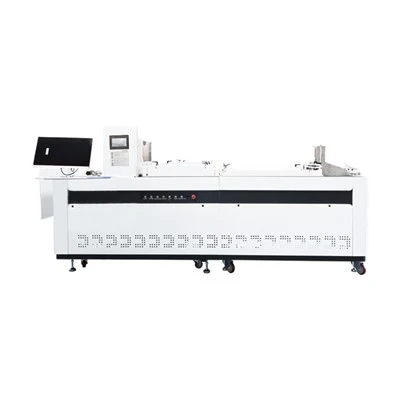
If you’ve ever spent hours calibrating your UV flatbed printer to get that perfect, crisp print—only to discover a batch of ink has gone bad mid-job—you know just how costly and frustrating that mistake can be. As someone who’s spent 12 years selling, servicing, and troubleshooting UV flatbed printers (and the inks that power them), I’ve seen every type of storage mishap imaginable: ink separated into clumpy goop that clogs printheads, UV resin that cured in its cartridge before it even hit the press, and even entire batches wasted because a warehouse got too hot during a summer heatwave. The good news? Storing your UV flatbed ink isn’t rocket science, but it does require sticking to a few specific, evidence-based rules—especially because not all UV inks are created equal. Unlike solvent inks that just need a cool, dry space, or water-based inks that can go slimy if left open, UV inks are light-cured, photo-sensitive formulations made of acrylic monomers, oligomers, photoinitiators, pigments, and small amounts of additives. That means even tiny deviations in storage conditions can break down their chemical structure before they ever leave the cartridge. UV Flatbed Printer
Let’s start with the non-negotiable basics that every user—from a small boutique print shop running one printer to a large industrial facility with 10 presses—needs to follow. First, temperature is make-or-break for UV ink. Most of the big-name ink manufacturers I partner with (I work closely with 3 top suppliers whose inks we recommend exclusively for our printers, so these specs are hard-won from on-the-job testing) state that ideal storage temperature is between 15°C and 25°C (59°F and 77°F). Why? UV inks are chemical mixtures, and at temperatures above 30°C (86°F), the photoinitiators start to react slowly, even without exposure to UV light. Over time, this creates small, hard micro-particles that will clog your printheads, leading to skipped dots, streaky prints, and costly head replacements (a single printhead can cost $1,500–$3,000, so saving ink from damage is a quick way to protect your investment). On the flip side, temperatures below 10°C (50°F) can thicken the ink so much that it won’t flow through the ink system properly when you go to use it. I once had a customer in Minnesota who stored extra ink in an unheated garage during winter; when they tried to print, their black ink was so thick it wouldn’t prime, and they had to run 20 cycles of head cleaning just to unclog the lines. Don’t make that mistake: if you’re working in a climate with extreme seasons, store ink in a climate-controlled room, a temperature-regulated storage cabinet, or even a dedicated mini-fridge (but we’ll talk about that caveat in a minute).
Next, light exposure—this is the part that surprises most new users, but it’s critical. UV inks are designed to cure when exposed to UV light, so they will cure when exposed to any light source that emits UV rays, including direct sunlight, fluorescent lights, and even some LED shop lights. That means you can’t just leave ink cartridges sitting on a shelf near a window or under a bright overhead light. The rule here is simple: keep all unopened and opened ink cartridges in opaque, light-tight containers, and store them in areas with no direct light. When you’re handling ink, do it quickly: only open a cartridge right before you’re ready to install it, and never leave an open ink bottle or cartridge sitting out on your workbench for more than a few minutes. I’ve seen a shop manager leave a half-open ink jug on their bench over the weekend, and by Monday, the ink inside had cured into a solid, rubbery block—they had to throw out the whole jug and rush-order a replacement, delaying a big client job. For bulk ink containers, use opaque storage totes or cabinets that block all visible and UV light; clear plastic bins are not enough, even if they look dark, because UV rays can penetrate thin clear plastic over time.
Humidity is another factor that often gets overlooked, but it’s important for both unopened and opened ink. UV inks are not water-based, but they can absorb small amounts of moisture from the air if the humidity is above 60%. Too much moisture in the ink will cause it to cure unevenly, leading to tacky prints that don’t fully harden, and it can also cause the pigments to settle unevenly, resulting in inconsistent color. The ideal relative humidity for ink storage is between 40% and 50%—if your shop’s humidity is higher than that, use a dehumidifier in your storage area. If you’re in a very dry climate (like parts of Arizona or Nevada), you might not need to worry about humidity, but you should still seal opened ink tightly to prevent the ink from drying out.
Now, let’s get to some common misconceptions and scenarios that I see play out all the time. First: can you store unused ink in the fridge? The short answer is yes, but with a big “if.” If your shop is consistently over 25°C (77°F), and you have extra unopened ink that you won’t use for more than a month, a fridge can be a good short-term solution—but you have to let the ink warm to room temperature for at least 4 hours before opening it. If you open cold ink, condensation will form inside the cartridge, adding moisture that can ruin the ink. Also, never store ink in the freezer—extreme cold will make the ink thicken so much it can’t be used. I had a customer once who stored a case of ink in their freezer during a heatwave, and when they took it out, the cyan ink was a solid block; they had to throw out the whole case and deal with a 2-week delay for new ink.
Another big one: how to handle opened ink cartridges. This is different from unopened ink, because once a cartridge is punctured and connected to your printer’s system, there’s air inside the lines and cartridge. After you finish a print job, you should always purge the ink lines (if your printer has that feature) and cap unused ink cartridges tightly. Never leave a cartridge connected to the printer if you’re not going to use it for more than 3 days—air exposure will cause the ink to cure slowly, even with the printer’s cover closed. If you have a bulk ink system, make sure to seal the bulk ink tank’s air vent when not in use, and avoid refilling cartridges in a dusty area—dust particles can get into the ink and cause printhead clogs. One trick we teach all our customers: label every ink cartridge with the date you opened it and the date you installed it. Most UV inks have a shelf life of 12–18 months unopened, but once opened, they should be used within 3–6 months. If your opened ink is past that window, don’t risk using it—test a small amount on a scrap material first, and if it’s clumpy or thick, throw it away.
What about different types of UV ink? I mainly recommend two types for our flatbed printers: rigid UV inks for hard materials like acrylic, glass, and metal, and flexible UV inks for soft materials like vinyl, fabric, and leather. The storage rules are almost identical, but flexible inks tend to have more acrylic monomers, so they’re slightly more sensitive to temperature changes. I always advise customers to keep flexible ink cartridges in the middle of their storage shelf, not near the top or bottom, where temperatures are more extreme. Also, white UV ink is a special case—it’s prone to pigment settling, so you should gently invert the cartridge (never shake it, which creates bubbles that clog printheads) before installing it, and store white ink cartridges upright, not on their side. Shaking white ink can introduce air bubbles that will ruin your first few prints, so inversion is the only way to re-suspend settled pigment.
Now, let’s talk about how to integrate this into your daily workflow, because even the best storage rules won’t help if you’re not consistent. Small print shops often buy ink in bulk to save money, but bulk storage requires more attention to temperature and light. If you buy 5-gallon bulk containers, store them in a dedicated, climate-controlled room, not the back of your shop near a heater or a window. For regular inventory checks, go through your ink every month and pull out any opened ink that’s approaching its expiration date—don’t save it for a big job, because you might be disappointed when it doesn’t work. When receiving new ink shipments, check the packaging immediately to make sure there are no leaks, cracks, or signs of damage. If a cartridge is leaking, it’s probably been exposed to extreme temperatures or light during shipping, so contact your supplier right away. We always include a care sheet with every printer we sell, with specific storage guidelines for the ink we recommend, and we host free monthly training sessions for new customers to walk them through these steps—many customers tell me that these small steps saved them thousands of dollars in printhead replacements and wasted jobs in their first year.
I’ve also learned a lot from troubleshooting mistakes over the years. Last year, a customer in Chicago had a job for a local café, printing 500 custom acrylic signs. Mid-job, their ink started streaking, and they thought it was a printhead issue. When I came out to service their printer, I checked their stored ink: they had stacked all their extra ink cartridges on a shelf above a space heater that they used in the winter, and the temperature there was 35°C (95°F) for months. The ink had started to polymerize inside the cartridges, creating tiny clumps. We had to replace half their ink stock and perform a full printhead cleaning, which cost them $1,800 in total. That job delay made them lose the café contract, which they told me was a $10,000 loss—all because of a bad storage setup. It’s a simple mistake, but it’s one that happens all the time because people don’t realize how sensitive UV ink is.
The good news is that following these storage rules will not only extend the life of your ink, but also improve the quality of your prints. When ink is stored correctly, it flows smoothly through the printhead, cures evenly, and produces vibrant, long-lasting colors—something every print shop prides itself on. If you’re new to UV flatbed printing, don’t let ink storage scare you; it’s just a few small habits to build, and once you do, it will become second nature.

If you’re in the market for a UV flatbed printer, or you’re looking to upgrade your setup and want more guidance on ink storage and maintenance, feel free to reach out. We have a team of experienced technicians who can walk you through specific guidelines for our printers and the ink solutions we recommend, and we’re always happy to share tips to help you avoid the mistakes I’ve seen over the years. Whether you’re a small startup or a large industrial facility, we can work with you to find a printer and ink setup that fits your needs, and provide ongoing support to keep your production running smoothly.
UV Printer References
- UV Ink Storage Guidelines, International Association of Printing Manufacturers, 2021
- Material Compatibility and Storage for Digital Printing Inks, Journal of Graphic Arts Technology, Vol. 15, No. 2, 2022
- Flatbed Printer Ink Performance: Long-Term Storage Effects, Industrial Print Solutions Research Report, 2023
- Safe Handling and Storage of UV Curable Inks, Occupational Safety and Health Administration (OSHA), 2020
Shenzhen Guangyin United Technology Co., Ltd.
With abundant experience, we are one of the most professional UV flatbed printer manufacturers in China. If you’re going to buy high quality UV flatbed printer made in China, welcome to get quotation from our factory. For price consultation, contact us.
Address: 2nd Floor, Building 7, No.3, Liulian Community, Pingdi Subdistrict, Longgang District, Shenzhen, China
E-mail: guangyinlianhe@gmail.com
WebSite: https://www.chinauvprinter.com/
