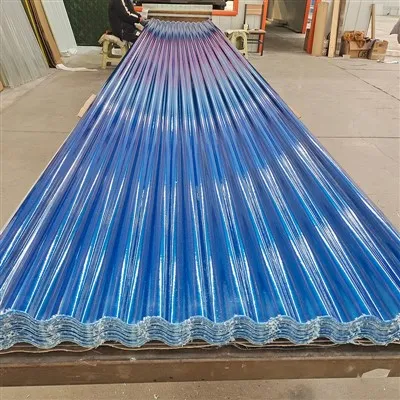
Hey everyone, and welcome back to the blog. If you’ve been following this space for a while, you know we’re not just here to sell polycarbonate corrugated sheets—we’re here to answer the questions that actually matter to folks building greenhouses, carports, patio covers, or even small agricultural outbuildings. This week, we’re tackling one of the most common questions we get this time of year (especially for our friends in cooler, snow-heavy regions): How does polycarbonate corrugated sheet handle snow loads? Polycarbonate Corrugated Sheet
Let’s cut to the chase first—no vague sales jargon here. Snow loads aren’t just a “winter thing” for areas that get a foot of snow once a decade. For anyone in zones that regularly see 20+ inches, or even occasional deep drifts, this is a make-or-break factor for durability, safety, and avoiding costly repairs down the line. I’ve been in the polycarbonate supply game for over 12 years now, and I’ve seen firsthand what happens when a homeowner, farmer, or builder picks a sheet that can’t hold up to that weight. So let’s break this down properly.
First, let’s get clear on what a snow load actually is, because it’s not just “how much snow is on the roof.” Engineers and builders measure snow loads in pounds per square foot (psf), and there’s a formula to calculate it that’s way simpler than it sounds. The rule of thumb for new, fresh, light snow is about 1 psf for every 2.5 inches of snow. Wet, heavy, packed snow? That jumps to 1 psf for every 1 inch, because wet snow is way denser—like, 10 times heavier than fresh powder in some cases. Add to that ice, slush, even wind-driven snow that gets packed into drifts on low-pitched roofs, and suddenly a 6-inch snowfall can turn into a 100+ psf load. That’s the number you need to compare your sheet against, not just total inches.
Now, let’s talk about how polycarbonate corrugated sheets are built to handle that weight, because not all polycarbonate is the same—this is a huge misconception I run into all the time. Our sheets aren’t the flimsy, thin plastic you might remember from old garden shed panels. We manufacture our standard grades (we have a few different lines for different needs) from 100% virgin polycarbonate resin, not recycled mix, because virgin resin is far more consistent, rigid, and impact-resistant. The corrugated design itself isn’t just for looks, either—it’s a load-bearing feature.
Corrugated panels work like tiny, engineered I-beams for your roof or surface. The ridges and troughs add structural stiffness that flat sheets just can’t match. Think about it: a flat sheet of cardboard bends if you put a weight on it, but a corrugated box holds heavy items all day. Same principle here. The corrugations create a vertical cross-section that distributes the weight of the snow evenly across the entire sheet, instead of letting it sit in a single spot and crack or bend the panel.
But stiffness alone isn’t enough. Polycarbonate has two key physical properties that make it excel at snow loads compared to other common roofing materials (like acrylic, fiberglass, or even corrugated metal, depending on the metal gauge). First, it has a high modulus of elasticity—long story short, that means it bends under load, but it springs back to its original shape once the load is removed. That’s a big deal because when snow melts, a panel that’s slightly bent from the weight will bounce right back, whereas a brittle material like acrylic would crack, or a thin metal panel would get permanent dents that can lead to water pooling later.
Second, polycarbonate has an excellent strength-to-weight ratio. A 10mm thick polycarbonate corrugated sheet only weighs about 1.2 pounds per square foot, while a comparable metal panel is around 2.5 pounds per square foot, and that’s before you even add snow. So you’re getting a super strong, load-bearing panel that’s also lighter than alternatives, which reduces the overall structural load on the framework (your rafters, beams, whatever is supporting the roof). That’s a win-win—you don’t have to reinforce your framework as much, which saves you money upfront, and the sheet itself is better at holding snow without failing.
Wait, but let’s get real—nothing is indestructible. I’ve had customers email me last winter panicking because they thought a 50 psf snow load would break their 6mm sheet, only to find out they used a 3mm thin sheet for a greenhouse in Michigan, where the local building code requires a minimum 75 psf snow load. So let’s talk about what actually causes polycarbonate corrugated sheets to fail under snow loads, because it’s almost never the material itself—it’s the installation or the wrong grade for the job.
First, sheet thickness matters, plain and simple. Here’s a quick breakdown of our standard grades and their snow load capacities, based on independent testing (we work with a third-party engineering firm to verify this, not just our own numbers): 3mm corrugated sheets can handle roughly 20-25 psf—great for patio covers in mild climates that almost never see heavy snow, but not for Northern areas. 6mm sheets? That jumps to 50-60 psf, perfect for carports, small outbuildings, or greenhouses in areas with average snowfall. Our premium 10mm heavy-duty corrugated line? That’s rated for 100-120 psf, which is enough for areas that get 2+ feet of snow, or even drifts that add extra load. That’s the grade we recommend most for agricultural buildings, barn lean-tos, or any structure that’s going to be exposed to consistent winter weather.
Then there’s pitch. The angle of your roof is just as important as the sheet grade. Polycarbonate corrugated panels work best on pitches of 15 degrees or steeper. Why? Steeper pitches let snow slide off naturally, instead of sitting and accumulating. If your roof is almost flat (under 10 degrees), snow will drift and pile up, even if you have a thick sheet. I had a customer in Ohio a few years ago install our 10mm sheet on a 7-degree roof and come back saying he had a problem with snow loads—turns out, he had a 3-foot drift piled up at the edge of his patio cover because the pitch was too low. That’s not a sheet failure, that’s a pitch issue. Rule of thumb: if you’re in a snowy area, aim for a minimum 15-degree pitch for any structure with polycarbonate panels.
Another big one: installation practices. I’ve seen way too many installers (or even DIY folks) cut corners here, and that’s what causes panels to crack or bend under snow. First, over-fastening. If you screw a panel down too tight between corrugations, you create a stress point in the sheet. When snow adds weight, that stress point becomes a fracture line. We always recommend fastening panels at the bottom of the troughs, not the ridges, and leaving a small gap around each fastener to let the panel expand and contract with temperature changes (polycarbonate expands about 7 times more than metal, so that’s non-negotiable). Second, framework spacing. The distance between your rafters or supports affects how much load each sheet has to hold. For 6mm panels, supports should be no more than 24 inches apart. For 10mm, you can go up to 32 inches, and 3mm needs every 18 inches. If you space supports too far apart, the sheet sags between them, and that sag turns into a spot where snow accumulates more, leading to overloading.
Wait, let’s compare polycarbonate to other materials so you can see the real difference. A lot of people ask us why we don’t just use corrugated metal for snow loads. Let’s be clear: corrugated metal is strong, but thin metal can dent easily, and over time, dents can trap water and lead to rust, which weakens the panel. Acrylic, another common plastic roofing, is way more brittle than polycarbonate—if a heavy snow load hits it at the wrong angle, it will crack, whereas polycarbonate will bend and spring back, as long as it’s the right grade. Fiberglass is similar to polycarbonate in strength, but it’s heavier, more prone to yellowing over time from UV exposure, and doesn’t have the same impact resistance—hail mixed with snow is a real issue, and polycarbonate stands up way better than fiberglass there too.
What about hail and snow together? That’s a big one. I’ve seen a hailstorm in Colorado a few years ago that dropped 2 inches of hail, followed by 8 inches of fresh snow. A customer with our 10mm polycarbonate panels had zero damage, while his neighbor’s fiberglass greenhouse had 12 cracked panels. That’s a real-world example of how polycarbonate handles dual loads. The hail adds an impact load, and the snow adds a static load, and the 10mm grade held both because of its combination of stiffness and toughness.
Now, let’s address a myth I hear all the time: “Polycarbonate gets brittle in cold weather, so it can’t handle snow loads.” That’s half-true, but only for cheap, thin, low-quality polycarbonate. Our virgin-grade polycarbonate is formulated to perform consistently in temperatures from -40°F all the way up to 220°F. It doesn’t get brittle in cold—brittleness only happens when you use recycled resin that has weakened over time, or cheap additives that break down in cold temperatures. All our polycarbonate sheets go through a cold temperature impact test, and we’ve tested them at -20°F with no loss of strength, so that’s not a concern for even the harshest winters.
So, what should you do to make sure your polycarbonate corrugated sheet handles snow loads properly? First, calculate the design snow load for your area. Your local building department will have that number—most regions post it online, or you can ask for it. Then, match that number to the right sheet grade: if you need 50 psf, go with 6mm; 100 psf, go with 10mm. Second, set your roof pitch to at least 15 degrees to let snow slide off. Third, work with an installer who knows polycarbonate’s specific installation requirements—don’t just use the same methods you’d use for metal panels. And if you’re a DIYer, follow our installation guide step-by-step (we have a free copy on our website, by the way).
If you’re not sure what grade you need, that’s what we’re here for. We’ve supplied polycarbonate corrugated sheets to homeowners, farmers, builders, and greenhouse operators all over North America, and we can help you pick the right grade for your exact location and structure. No pressure, no sales pitch—just honest advice based on 12 years in the industry.
Wait, one last thing: what about maintenance? You don’t have to do anything special to your polycarbonate sheets to keep them handling snow loads year after year. Unlike metal, you don’t have to scrape snow off (though if you have a huge drift that’s been sitting for weeks, a gentle brush with a soft broom to knock it off won’t hurt, but don’t use a shovel—you’ll scratch the surface). Polycarbonate is also UV-protected with a co-extruded layer on one side, so it won’t yellow or degrade for up to 10 years, which keeps its strength consistent over time. Cheap, unprotected polycarbonate will lose about 10-15% of its strength after 5 years from UV exposure, but our UV-protected line keeps its full load rating for a decade or more.
I’ve seen too many people waste money on the wrong roofing material because they don’t understand how snow loads work, and I want to make sure that doesn’t happen to you. Polycarbonate corrugated sheets are one of the best options on the market for handling snow loads, as long as you pick the right grade, install it correctly, and match it to your local climate.

If you’re ready to get pricing for the right grade for your project, or you have more questions about snow loads, grades, or installation, feel free to reach out. We don’t push unnecessary products, and we’re happy to walk through whatever you need to make sure your structure is safe and durable for years to come. Don’t guess on this—snow loads are no joke, and picking the right material now will save you thousands in repairs later.
Translucent Fiberglass Panel References
- American Society of Civil Engineers (ASCE). Minimum Design Loads and Associated Criteria for Buildings and Other Structures, 2021.
- Polycarbonate Development Association. Physical Properties and Load Performance of Virgin Polycarbonate Corrugated Panels, 2022.
- International Code Council (ICC). Building Code Requirements for Snow Load Calculations, 2023.
- National Greenhouse Manufacturers Association. Durability Standards for Agricultural Glazing Materials, 2021.
Handan Donghong Fiberglass & Color Steel Manufacturing Co., Ltd.
Handan Donghong Fiberglass & Color Steel Manufacturing Co., Ltd. is one of the most professional polycarbonate corrugated sheet manufacturers and suppliers in China, featured by quality products and good price. Please rest assured to wholesale durable polycarbonate corrugated sheet made in China here and get quotation from our factory. Customized orders are welcome.
Address: South side of the road, 2,000 meters west of the intersection of Nanhuan Road and Airport Road, Hanshan District, Handan City.
E-mail: leo@dhpcfrp.com
WebSite: https://www.dhfrpsheet.com/
