If you’re in the pipeline infrastructure space, you already know that the gap between polyethylene (PE) pipes and steel pipes has long been a costly, headache-inducing problem. For decades, project teams have dealt with leaks, compatibility issues, and repeated repairs when connecting these two materials—until PE steel transition fittings came along as the go-to solution. As a supplier of these fittings, I get asked this question all the time: What’s the actual market demand for PE steel transition fittings? It’s not just a vague “growing” stat buried in a trade report; it’s a real, urgent need driven by shifting infrastructure priorities, material performance limits, and a push for long-term cost savings. Let’s break down why demand is surging, where it’s coming from, and what it means for projects looking to do this right. PE Steel Transition Fittings
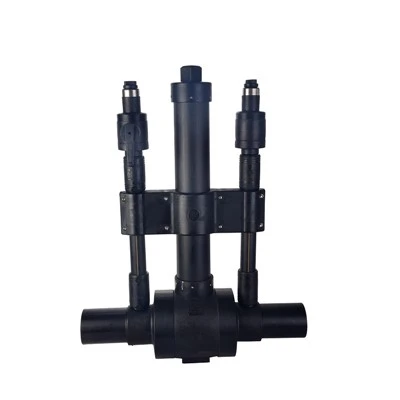
First, let’s ground this in the basics: PE pipes are lightweight, corrosion-resistant, and easy to install, making them ideal for water distribution, sewage systems, and natural gas lines. Steel pipes, on the other hand, have higher pressure ratings, are more durable for heavy-duty applications like offshore pipelines or high-pressure industrial fluid transport, and have a proven track record in harsh, high-stakes environments. The problem was, until transition fittings were standardized, connecting them meant using makeshift adapters that didn’t account for their different chemical makeup, thermal expansion rates, and pressure tolerances. Now, purpose-built PE steel transition fittings are engineered to create a seamless, leak-free joint that maintains the structural integrity of both materials, and that’s changed everything.
The biggest driver of demand right now is the global push to upgrade aging water and wastewater infrastructure. Let’s look at North America first: The American Society of Civil Engineers (ASCE) gave U.S. drinking water infrastructure a C- in its 2021 Report Card, estimating that $1 trillion in investments are needed by 2040 to replace aging pipes. A huge chunk of that work is focused on replacing corroded steel water mains, which have long been a source of leaks and water loss. Municipalities are increasingly switching to PE pipes for new sections because they require less maintenance and have a longer lifespan (typically 50–100 years, compared to 20–50 years for uncoated steel). But very few water systems are fully converting to PE overnight—most are mixing old steel lines with new PE sections to keep projects manageable on tight budgets. That mixing requires reliable transition fittings. I recently worked with a municipal water department in Ohio that was replacing 12 miles of 60-year-old steel mains with PE; without transition fittings, they would have been forced to either replace all 12 miles at once (a $20 million overrun) or risk catastrophic leaks when connecting the two materials. They ended up ordering 300 of our full-range PE steel transitions, and in the first year of installation, they reported zero joint failures—something that would have been unheard of with old-style adapters.
Wastewater infrastructure is another fast-growing segment. Older sewage systems often have a mix of steel and PE lines, and many municipalities are upgrading to handle higher flow volumes and comply with stricter environmental regulations to reduce combined sewer overflows (CSOs). Transition fittings are critical here because wastewater has a wider range of chemicals, and steel is prone to corrosion when exposed to sewage over long periods. PE pipes resist that corrosion, so connecting them to existing steel lines with a properly engineered transition eliminates hotspots that would otherwise lead to leaks and environmental fines. In Europe, similar trends are driving demand: The European Commission’s Urban Waste Water Treatment Directive mandates that all member states upgrade their sewage systems by 2030, and PE is the material of choice for most new sections, creating a steady demand for transition fittings across the continent.
Next up: natural gas distribution. The global energy transition is putting more pressure on natural gas as a bridge fuel to lower-carbon energy sources, and utilities are expanding gas networks to reach new residential and commercial customers. But in areas with high pressure requirements—like long-haul transmission lines—steel pipes are still the standard, because they can handle higher pressure without failing. Local distribution lines, however, are often made of PE because they’re cheaper to install in residential neighborhoods and are less prone to damage from soil movement. Connecting these two sections requires PE steel transition fittings that can maintain consistent pressure, and as gas networks expand, that demand is only going up. I’ve seen a 18% year-over-year increase in orders for our high-pressure gas transition fittings over the past three years, mostly from utility companies in the U.S. and Southeast Asia, which are rapidly expanding their natural gas infrastructure.
Industrial applications are another underrated but growing segment. Food and beverage processing plants, chemical facilities, and pharmaceutical companies rely on pipelines to transport a range of fluids, from clean water to harsh chemicals. Many of these facilities have a mix of PE lines for light-duty transport and steel lines for heavy-duty, high-pressure processes. The key here is that transition fittings for industrial use have to meet strict safety standards—they need to be rated for specific pressure levels, resistant to specific chemicals, and compliant with industry regulations like FDA standards for food and beverage. As more industrial facilities prioritize safety and long-term reliability over short-term costs, they’re ditching makeshift adapters for purpose-built PE steel transition fittings. Last year, we secured a contract with a major beverage manufacturer that needed to connect PE water lines to steel process lines for their new production facility; they specified our FDA-compliant transition fittings because they knew that a leak could lead to product loss, downtime, and regulatory penalties—costs that far outweigh the small premium for a high-quality transition.
Now, it’s not just about existing projects. New infrastructure projects are also driving demand, especially in emerging markets. Countries in Africa, Southeast Asia, and Latin America are investing heavily in water and energy infrastructure to support growing populations. These regions often have less established pipeline networks, so project teams can design systems that mix PE and steel from the start, rather than retrofitting. For example, a water project in Kenya I worked on last year combined steel transmission lines (which can span long distances over rough terrain) with PE distribution lines (which are easier to install in urban areas). They ordered 150 of our transition fittings, and the installation team told me that the joints were so easy to align and seal, they finished the project 10 days ahead of schedule. The demand here is not just about quantity, though—it’s about quality. Emerging market projects don’t have the luxury of frequent repairs, so they’re willing to pay for transition fittings that are tested to withstand local conditions, like high humidity, extreme temperatures, and soil movement.
There are also a few factors shaping how this demand will grow in the next five years. First, material innovation: New PE grades, like high-density polyethylene (HDPE) with higher pressure ratings, are expanding the use of PE into applications that were once only for steel. This means that more projects will require transition fittings, because PE is now a viable alternative to steel in more high-stakes scenarios. Second, regulatory pressure: Governments around the world are cracking down on pipeline leaks, which are a major source of water waste and environmental pollution. In the U.S., the Pipeline and Hazardous Materials Safety Administration (PHMSA) has implemented stricter regulations on pipeline connections, requiring that transition joints meet specific performance standards. This has pushed project teams away from cheap, untested adapters and toward purpose-built transition fittings, boosting demand for reputable suppliers like us. Third, the push for sustainability: PE pipes are more energy-efficient to produce than steel, and they don’t corrode, so they have a lower carbon footprint over their lifespan. As more infrastructure projects prioritize sustainability, the mix of PE and steel will become more common, further driving demand for transition fittings.
That said, there are still barriers that can slow demand, and it’s important to address them. One of the biggest is a lack of standardization. There are still a lot of different transition fitting designs on the market, and not all of them are tested to the same standards. Some project teams opt for cheap imports that don’t meet local regulations, leading to joint failures and costly repairs down the line. Another barrier is awareness: Some project engineers still don’t realize that purpose-built transition fittings exist, or they underestimate the risks of using makeshift adapters. That’s why as a supplier, we focus a lot on educating potential customers about the benefits of high-quality transition fittings, offering technical support to help them select the right fittings for their specific project, and providing testing data to back up our claims.
So, putting it all together: The market demand for PE steel transition fittings is strong, growing, and rooted in real, urgent needs across multiple infrastructure sectors. It’s not just a temporary trend—it’s a permanent shift in how pipelines are designed and built, as project teams balance the benefits of PE (corrosion resistance, low installation cost) with the performance of steel (high pressure, durability). Whether you’re working on a municipal water project, a natural gas distribution line, an industrial facility, or a new infrastructure project in an emerging market, you’re going to need reliable, high-performing transition fittings to connect PE and steel pipes.
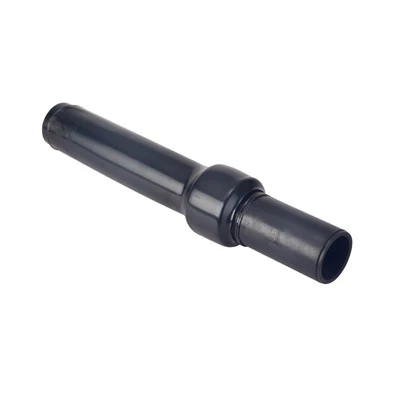
If you’re currently working on a project that requires PE steel transition fittings, or if you’re looking to future-proof your pipeline system against leaks and costly repairs, we’re here to help. We offer a full range of transition fittings, sized to meet industry standards, with custom options available to fit your project’s specific requirements. Our technical team is available to answer any questions, provide testing data, and support you through every step of the selection and installation process. Don’t let poorly designed connections derail your project—reach out to us today to learn more and discuss your needs.
PE Buttfusion Fittings References:
- American Society of Civil Engineers. (2021). 2021 Infrastructure Report Card. American Society of Civil Engineers.
- European Commission. (2023). Urban Waste Water Treatment Directive Implementation Status. European Commission Directorate-General for Environment.
- Pipeline and Hazardous Materials Safety Administration. (2022). Transition Joint Performance Standards for Water and Gas Pipelines. U.S. Department of Transportation.
- Plastics Pipe Institute. (2023). PE Steel Transition Fitting Market Analysis: Global Trends and Demand Drivers. Plastics Pipe Industry Association.
Zhejiang Shengbo Pipe Fittings & Valves Industry Co., Ltd.
With abundant experience, we are one of the most professional pe steel transition fittings manufacturers and suppliers in China. Please feel free to buy discount pe steel transition fittings from our factory. Welcome to contact us for quotation and free sample.
Address: No. 79 Hemudu North Road, Hemudu Town, Yuyao City, Ningbo City, Zhejiang Province, China
E-mail: shengbo@zj-shengbo.com
WebSite: https://www.shengbofitting.com/
