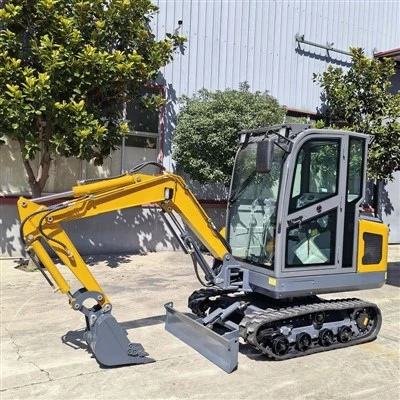
In the world of heavy machinery, the crawler excavator stands as an iconic and indispensable tool. It’s a marvel of engineering that combines power, precision, and versatility. One of the most crucial performance metrics of a crawler excavator is its digging force, which directly determines its ability to handle various excavation tasks. As a supplier of crawler excavators, I am often asked about what exactly the digging force of a crawler excavator is and how it impacts the machine’s performance. In this blog post, I will delve into the concept of digging force, its importance, and factors that affect it. Crawler Excavator
Understanding Digging Force
Digging force, in the context of a crawler excavator, refers to the maximum force that the excavator’s bucket can exert during the digging process. It is typically measured in kilonewtons (kN) and is a key indicator of the excavator’s ability to break through and remove materials such as soil, rock, and gravel. There are two main types of digging force that are commonly referred to: breakout force and crowd force.
Breakout Force
Breakout force is the maximum vertical force that the excavator’s bucket can apply when curling the bucket towards the machine to break out materials. It is the force required to lift and separate the material from the ground or a structure. Breakout force is crucial for tasks such as digging trenches, lifting large rocks, and breaking through hard soil or frozen ground. A higher breakout force allows the excavator to handle more challenging materials and perform tasks more efficiently.
Crowd Force
Crowd force, on the other hand, is the maximum horizontal force that the excavator’s arm can apply when pushing the bucket forward into the material. It is the force required to penetrate the material and move it along the ground. Crowd force is important for tasks such as loading trucks, backfilling trenches, and leveling the ground. A higher crowd force enables the excavator to penetrate deeper into the material and move larger volumes of it in a single pass.
Importance of Digging Force
The digging force of a crawler excavator plays a vital role in determining its overall performance and productivity. Here are some of the key reasons why digging force is so important:
Task Completion Time
A crawler excavator with a higher digging force can complete excavation tasks more quickly and efficiently. It can break through and remove materials faster, reducing the time required for each task. This is particularly important in large-scale construction projects where time is of the essence.
Material Handling Capacity
The digging force of an excavator directly affects its ability to handle different types of materials. A machine with a higher digging force can handle tougher materials such as rock and concrete, expanding its range of applications. This allows contractors to take on more challenging projects and increase their revenue.
Operator Comfort and Safety
A crawler excavator with sufficient digging force requires less effort from the operator to perform the excavation tasks. This reduces operator fatigue and improves comfort during long working hours. Additionally, a machine that can handle tasks more efficiently reduces the risk of accidents and injuries on the job site.
Factors Affecting Digging Force
The digging force of a crawler excavator is influenced by several factors, including the design and specifications of the machine, the type of attachments used, and the operating conditions. Here are some of the key factors that affect digging force:
Machine Design and Specifications
The design and specifications of the crawler excavator have a significant impact on its digging force. The size and power of the engine, the hydraulic system, and the boom and arm design all play a role in determining the maximum digging force. Generally, larger excavators with more powerful engines and advanced hydraulic systems have higher digging forces.
Attachments
The type of attachments used on the crawler excavator can also affect its digging force. Different attachments, such as buckets, hydraulic hammers, and thumbs, have different force requirements and capabilities. For example, a larger and heavier bucket may require more digging force to operate effectively. It is important to choose the right attachments for the specific task at hand to maximize the excavator’s performance.
Operating Conditions
The operating conditions, such as the type of material being excavated, the ground conditions, and the angle of the excavator, can also impact the digging force. Harder and more compact materials require more force to break through, while softer materials require less force. Additionally, uneven or sloped ground conditions can affect the stability and performance of the excavator, reducing its effective digging force.
Measuring and Comparing Digging Force
When evaluating the digging force of different crawler excavators, it is important to understand how it is measured and compared. Manufacturers typically provide the breakout force and crowd force specifications for their machines, which can be used to compare the digging capabilities of different models. However, it is important to note that these specifications may vary depending on the operating conditions and the type of attachments used.
In addition to the manufacturer’s specifications, it is also advisable to conduct on-site tests and demonstrations to evaluate the actual digging force of the excavator. This can provide a more accurate assessment of the machine’s performance and its suitability for the specific task at hand.
Our Crawler Excavators and Digging Force
As a supplier of crawler excavators, we understand the importance of digging force in the performance of our machines. That’s why we offer a wide range of crawler excavators with different digging force capabilities to meet the diverse needs of our customers. Our excavators are designed and manufactured using the latest technology and high-quality materials to ensure maximum digging force and efficiency.
We also provide a variety of attachments for our crawler excavators, including buckets, hydraulic hammers, and thumbs, to enhance their digging capabilities. Our experienced sales team can help you choose the right excavator and attachments for your specific application and ensure that you get the most out of your investment.
Conclusion
In conclusion, the digging force of a crawler excavator is a critical performance metric that determines its ability to handle various excavation tasks. It is a combination of breakout force and crowd force, which are influenced by factors such as the machine design, attachments, and operating conditions. Understanding the concept of digging force and its importance can help you make informed decisions when choosing a crawler excavator for your construction projects.
Backhon Loader If you are in the market for a crawler excavator and want to learn more about our products and their digging force capabilities, we encourage you to contact us. Our team of experts is ready to assist you in finding the right machine for your needs and provide you with all the information you need to make a confident investment. Contact us today to start the conversation about your next crawler excavator purchase.
References
- Equipment World: "Understanding Excavator Performance Metrics"
- Construction Equipment Guide: "How to Choose the Right Crawler Excavator"
- Caterpillar: "Crawler Excavator Product Manuals"
Shandong Feisite Machinery Co., Ltd.
As one of the most professional crawler excavator manufacturers and suppliers in China, we’re featured by quality products and good service. Please rest assured to buy cheap crawler excavator made in China here and get quotation from our factory. Customized orders are welcome.
Address: 100 meters south of Zengfusi Village, Mihe Town, Qingzhou City, Shandong Province
E-mail: Wpeng19911103@qq.com
WebSite: https://www.shandongfeisite.com/
